
In an age dominated by GPS and smartphone navigation, the humble paper map might seem like a relic of the past. However, knowing how to travel with a map remains an invaluable skill for any adventurer, backpacker, or road-tripper. Whether you’re exploring remote wilderness areas without cell service, experiencing the joy of old-school navigation, or simply want a backup when technology fails, mastering map reading can transform your travel experience.
Why Travel with a Map?
Before diving into the how-to, let’s consider why maps still matter:
- Reliability: Maps don’t need batteries, signal, or software updates
- Perspective: They provide a broader view of your surroundings and help you understand geography
- Adventure: There’s something romantically authentic about unfolding a map and charting your course
- Emergency backup: When your phone dies or loses signal, a map can be a lifesaver
- Cost-effective: Many maps are free or inexpensive
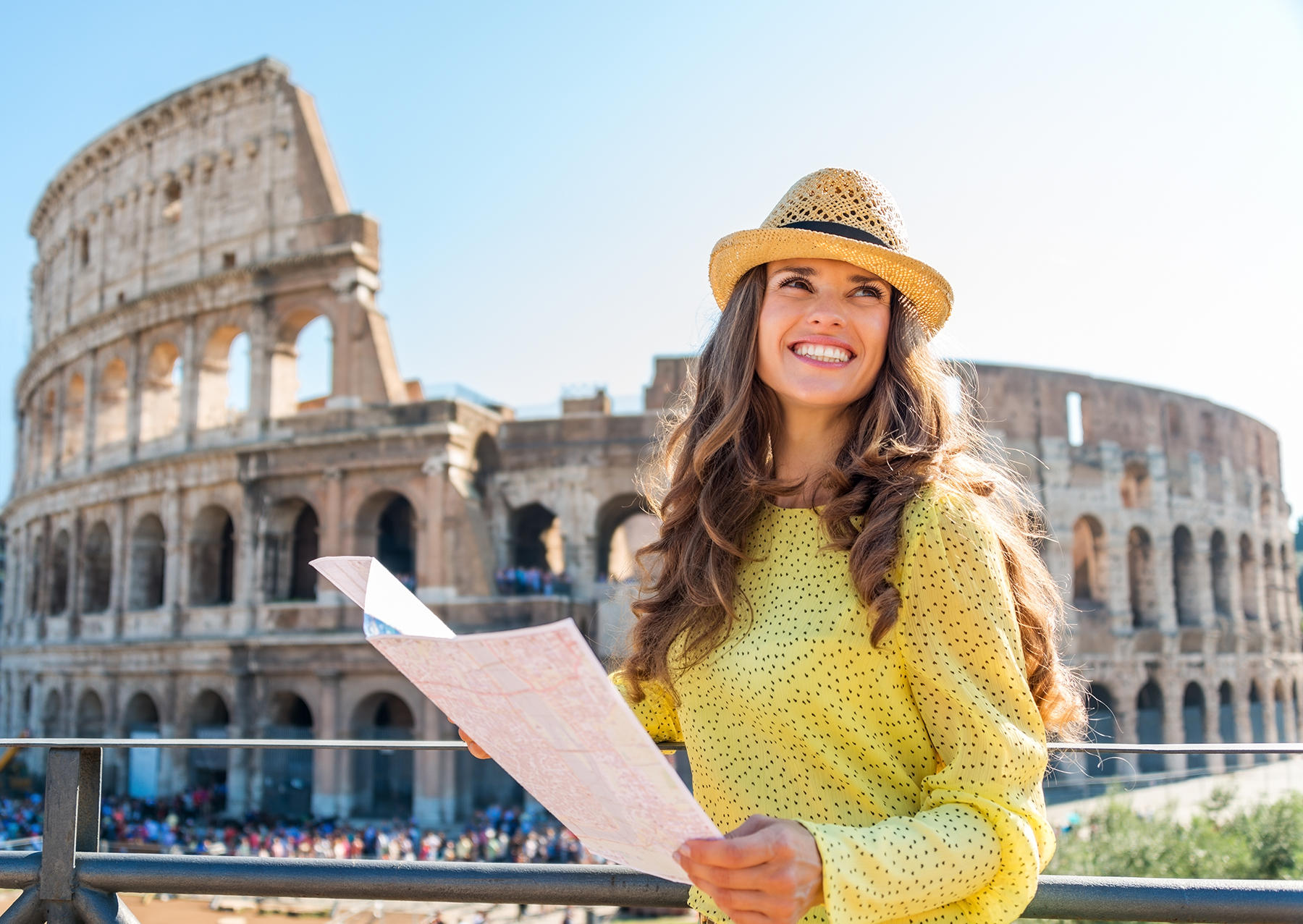
Types of Maps for Travelers
1. Road Maps
Perfect for road trips and driving adventures. They show highways, roads, cities, and points of interest.
2. Topographic Maps
Essential for hiking and outdoor adventures. They display elevation changes, terrain features, and natural landmarks.
3. City Maps
Ideal for urban exploration, showing streets, public transportation, attractions, and neighborhoods.
4. Trail Maps
Specialized maps for specific hiking trails, national parks, or recreational areas.
Essential Map Reading Skills
Understanding Map Components
The Legend (Key) The legend explains all symbols, colors, and markings on your map. Always review it first to understand what you’re looking at.
Scale The scale tells you the relationship between distance on the map and actual distance. For example, 1:50,000 means 1 cm on the map equals 50,000 cm (500 meters) in reality.
Compass Rose This shows cardinal directions (N, S, E, W). Most maps are oriented with north at the top, but always check!
Grid Lines These help you pinpoint locations and measure distances accurately.
Reading Contour Lines (Topographic Maps)
- Close together lines = Steep terrain
- Far apart lines = Gentle slopes
- Circular patterns = Hills or depressions
- V-shapes pointing uphill = Valleys or streams
Step-by-Step: How to Navigate with a Map
Step 1: Orient Your Map
Turn the map so it aligns with the real world. If you’re facing north, north on the map should point away from you.
Step 2: Find Your Location
Identify landmarks around you (buildings, mountains, rivers) and locate them on the map to determine where you are.
Step 3: Plan Your Route
- Identify your destination
- Look for the most efficient or scenic path
- Note landmarks along the way
- Check for obstacles (rivers, mountains, private property)
Step 4: Estimate Distance and Time
Use the map scale to calculate distance, then estimate travel time based on your mode of transport and terrain difficulty.
Step 5: Navigate as You Go
- Regularly check your map
- Confirm your location using landmarks
- Update your position mentally
- Stay aware of your surroundings
Pro Tips for Map Navigation
1. Protect Your Map
- Use a waterproof map case or plastic bag
- Fold maps to show only the section you need
- Consider laminating frequently used maps
2. Combine with a Compass
A map and compass together are incredibly powerful. Learn basic compass navigation to enhance your map skills.
3. Mark Important Information
- Highlight your route
- Note rest stops, water sources, or campsites
- Mark emergency exits or alternate routes
4. Study Before You Go
Familiarize yourself with the area before departure. Understanding the general layout makes navigation easier.
5. Keep Track of Your Progress
Mark your position periodically, especially on long journeys through unfamiliar terrain.
6. Learn to Estimate Distance
Practice judging distances in familiar areas so you can better estimate on the map.
Common Map Navigation Mistakes to Avoid
❌ Not orienting the map properly – Always align it with the real world
❌ Ignoring the scale – Misjudging distances can lead to exhaustion or getting lost
❌ Over-relying on a single landmark – Use multiple reference points
❌ Forgetting to update your position – Regular checks prevent getting lost
❌ Not having a backup – Carry a compass and consider downloading offline maps on your phone
Digital Maps vs. Paper Maps: Finding Balance
The best approach? Use both! Digital maps offer real-time updates and GPS precision, while paper maps provide reliability and context. Consider this hybrid strategy:
- Primary navigation: Use your smartphone with offline maps downloaded
- Backup: Carry a paper map of the area
- Planning: Study paper maps before your trip for the big picture
- Emergency: Keep a compass and know basic navigation skills
Where to Get Good Maps
- Local tourist information centers – Often free and tailored to visitors
- Outdoor retailers – High-quality topographic and trail maps
- National park offices – Detailed maps of park areas
- Online resources – Print custom maps from various websites
- Bookstores – Travel sections often stock regional maps
Practice Makes Perfect
Like any skill, map navigation improves with practice. Start with:
- Local walks: Navigate familiar areas using only a map
- Geocaching: Fun treasure hunting that builds navigation skills
- Orienteering events: Competitive map-reading challenges
- Day hikes: Practice in safe environments before remote adventures
Conclusion
Traveling with a map is more than just a navigation method—it’s a way to connect more deeply with your environment and build confidence in your adventuring abilities. Whether you’re planning a cross-country road trip, a wilderness backpacking expedition, or simply exploring a new city, the ability to read and navigate with a map opens up a world of possibilities.
So before your next journey, grab a map, study it carefully, and embrace the timeless art of navigation. You might find that the journey becomes just as rewarding as the destination when you’re charting your own course, one map fold at a time.
Happy travels, and may your map always lead you to adventure!